

blob-article
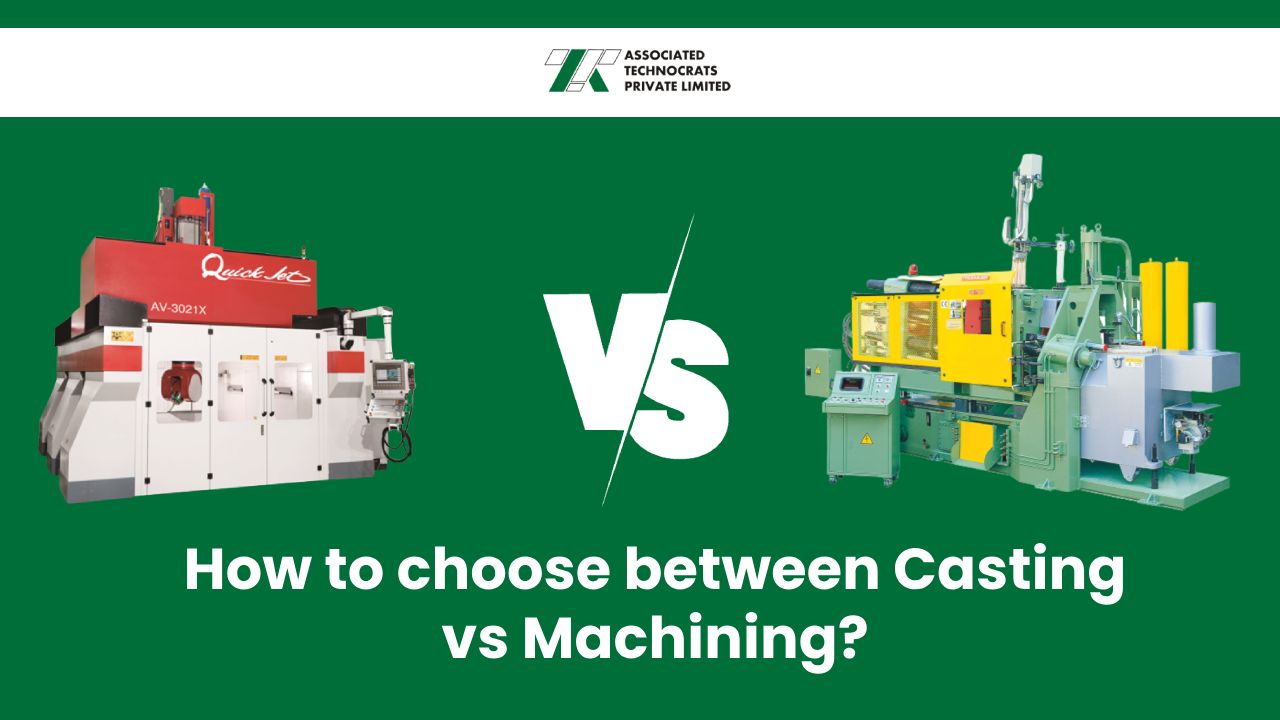
When you're leading product development—whether you're building precision-engineered industrial components or creating intricate machinery—the production path you take matters. Casting and machining both enable you to shape metal into working pieces, but they serve purposes almost diametrically opposed. Choosing the correct method can determine everything: your costs, lead times, part tolerances, even your entire supply chain approach.
That's precisely why we've developed this ATPL Guide—to assist in identifying the perfect choice for every project with clarity and confidence.
What Is Casting?
Casting is literally pouring liquid metal into a mold and allowing it to solidify in the shape you want. It's an ancient technique that dates back centuries ago—indeed, the first castings were made around 3200 B.C.
Key Casting Methods
Sand Casting
Metal is filled into sand-shaped molds. It's inexpensive, sized for just about any size, and accommodates nearly every metal, but tolerances are looser.
Investment (Lost-Wax) Casting
A wax pattern is covered with ceramic, the wax is melted out, and metal is filled in. Best for high-detail, thin-walled components such as medical implants or aerospace parts.
Die Casting
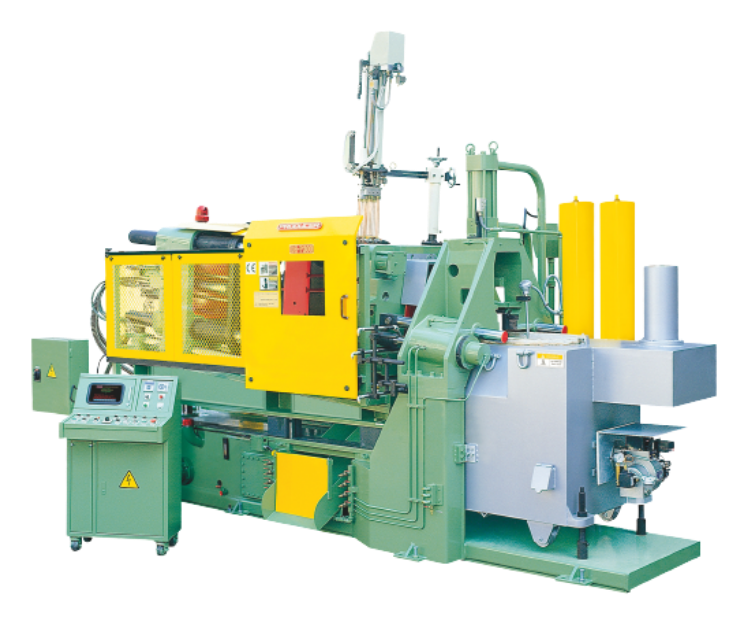
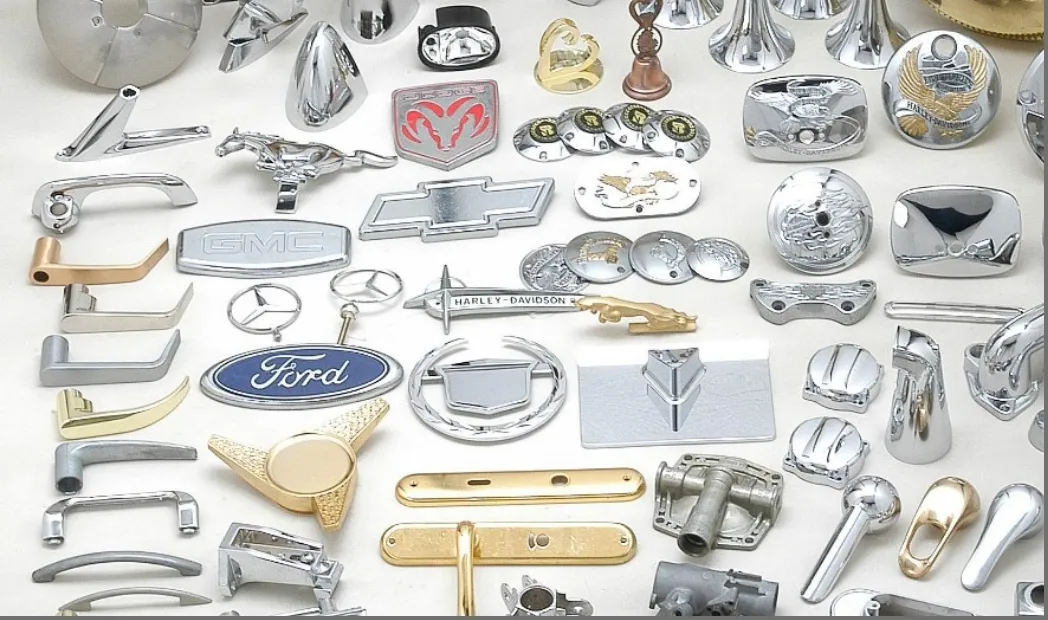
Molten metal is pressured into reusable steel molds. It provides close tolerances and great surface finish—ideal for high-volume aluminum or zinc parts.
Specialized Techniques
Processes such as centrifugal casting (spinning mold to push metal out), gravity casting, and low-pressure casting each address specialty structural or performance requirements.
Casting shines when you require complex forms, internal voids, or high runs of the same component.
What is machining?
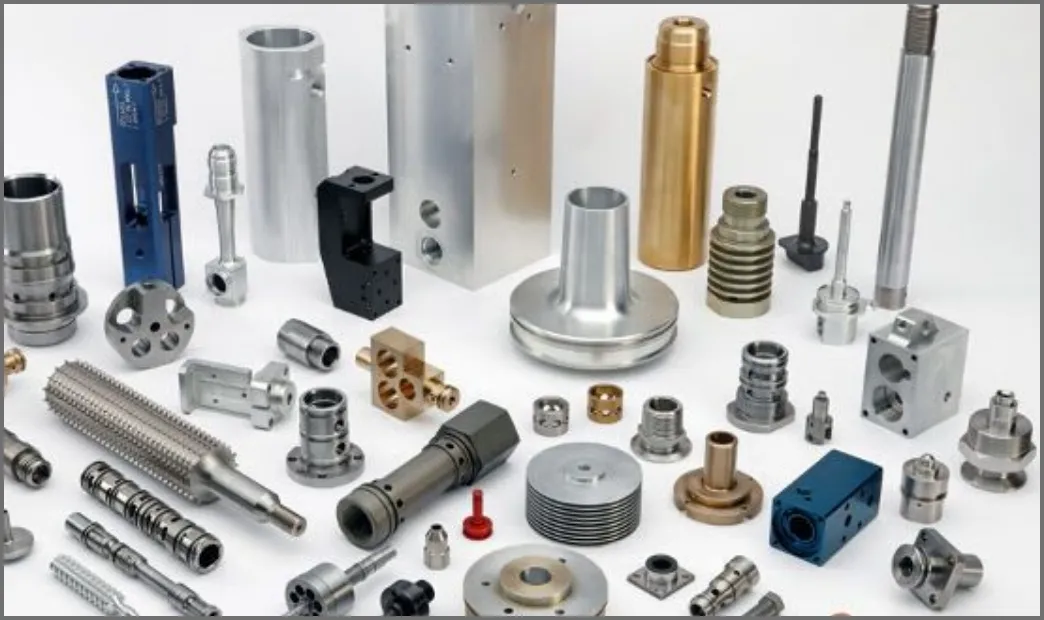
Machining is the meticulous science of beginning with solid stock and milling, drilling, turning, or grinding away material to reach the final form.
Two flavors of machining
Traditional (Manual) Machining
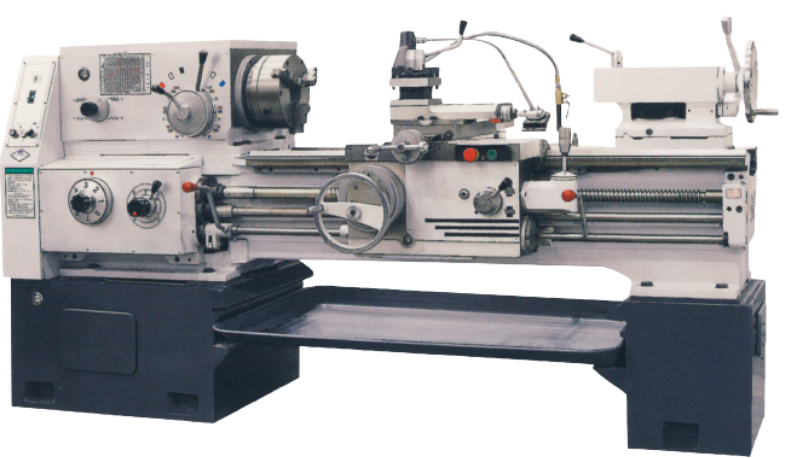
Trained professionals use lathes, mills, and drill presses to manually shape components. It's flexible, cheap to begin, and simple to modify midway through—but it's slower and more prone to error.
CNC (Computer Numerical Control) Machining
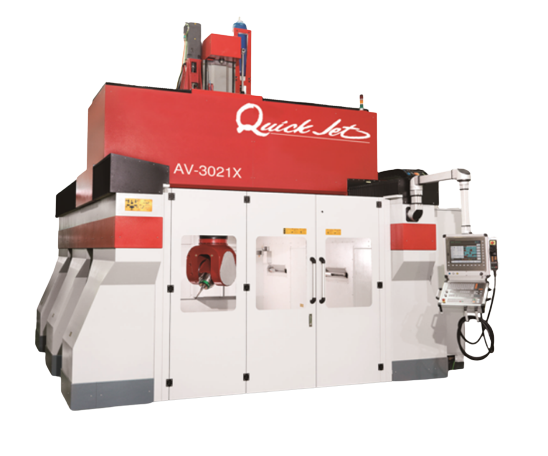
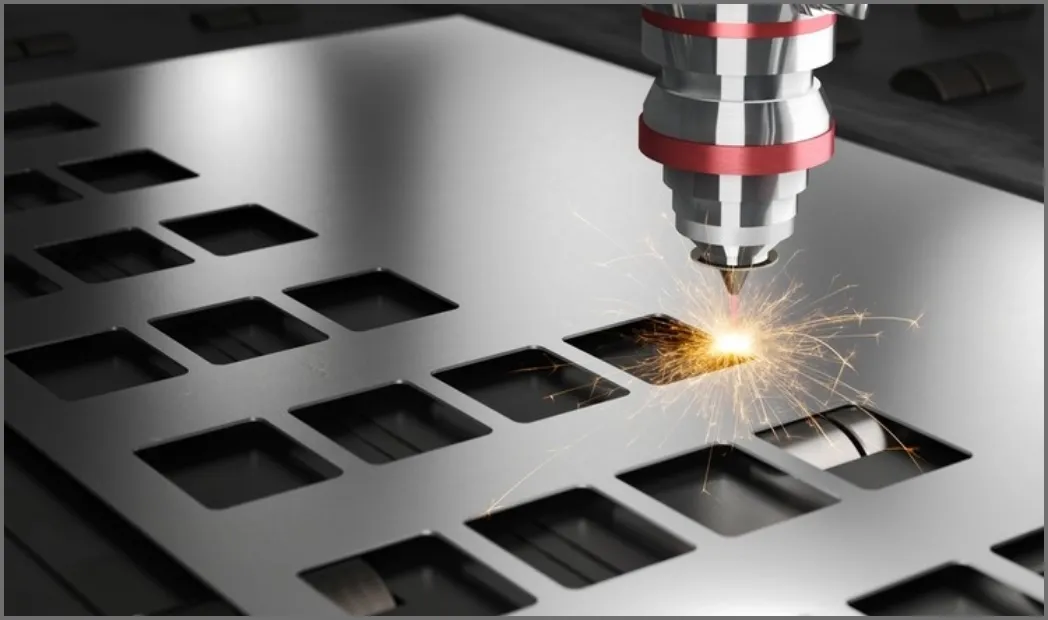
CAD designs are translated into G-code, guiding precise computer-controlled cutting tools. The results? Incredible accuracy (±0.0005"), unmatched repeatability, and the ability to create detailed, multi-axis parts.
Machining shines when your part must adhere to strict tolerances, have smooth finishes, or you’re producing small-volume or prototype runs.
When to Choose Casting
High-volume production: Cost spreads across tens of thousands of parts.
Complex part geometries: internal features, hollow sections, or integrated cores.
Large or heavy parts: Sand or permanent mold casting accommodates large sizes nicely.
Material efficiency: Low waste equals more environmentally friendly casting for high-volume runs.
When to Go Machining
Prototypes or small lots: Quick setup lets you iterate in no time.
Tight tolerances: CNC provides unmatched precision and repeatable quality.
Sophisticated finishes: Perfect for high-accuracy surfaces or optical-quality parts.
Hybrid design strategies: Begin with a casting, then finish with machining for tight tolerance details.
Combining Both Methods
The top parts tend to use a combination of methods. One popular approach:
Cast in-shape the part for form & volume.
Machine critical features like mounting holes, threads, or smooth surfaces.
This hybrid strategy opens the best of both worlds: low-cost bulk production with precision where it counts.
Summary
For ATPL, "casting vs. machining" isn't a question—it's a strategy choice. Here's a quick summary:
Select casting for high-volume, complex shapes and cost-per-part efficiency.
Use machining (particularly CNC) where accuracy, high speed, or low-volume flexibility is important.
Use both together in a hybrid process for optimum results in cost and quality.
What's Next?
Ready to choose the optimal manufacturing path for your next component? ATPL's team is set to explore your project details—materials, tolerances, lead times, and cost—and engineer a solution where performance meets value.
Contact us today and let us tailor a solution to suit your specific requirements. Whether you're producing an intricate industrial part or introducing prototypes, we'll assist you in selecting the option that saves time and money while maintaining uncompromised quality.