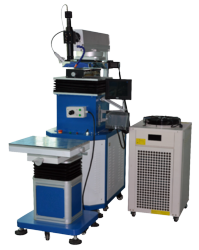
Mould Laser Welding Machines – Precise Mould & Tool Rehabilitation
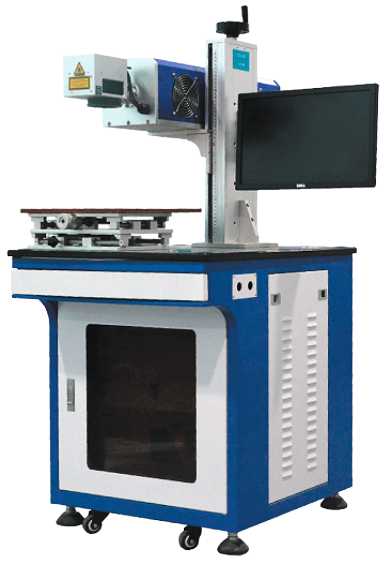
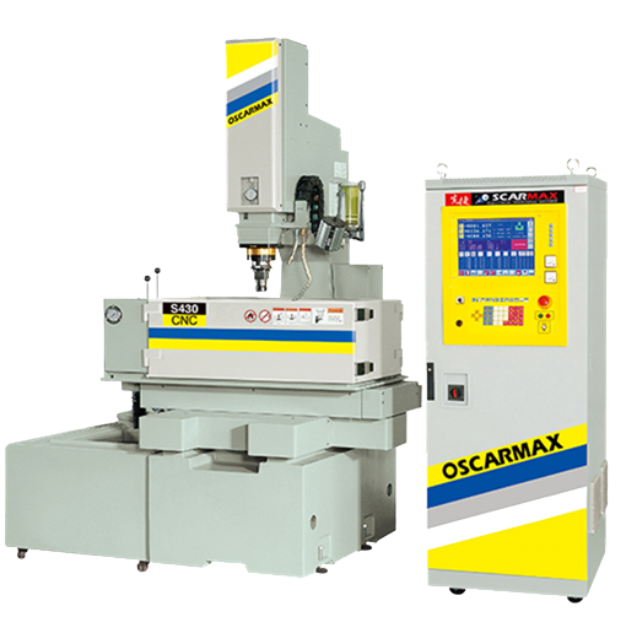
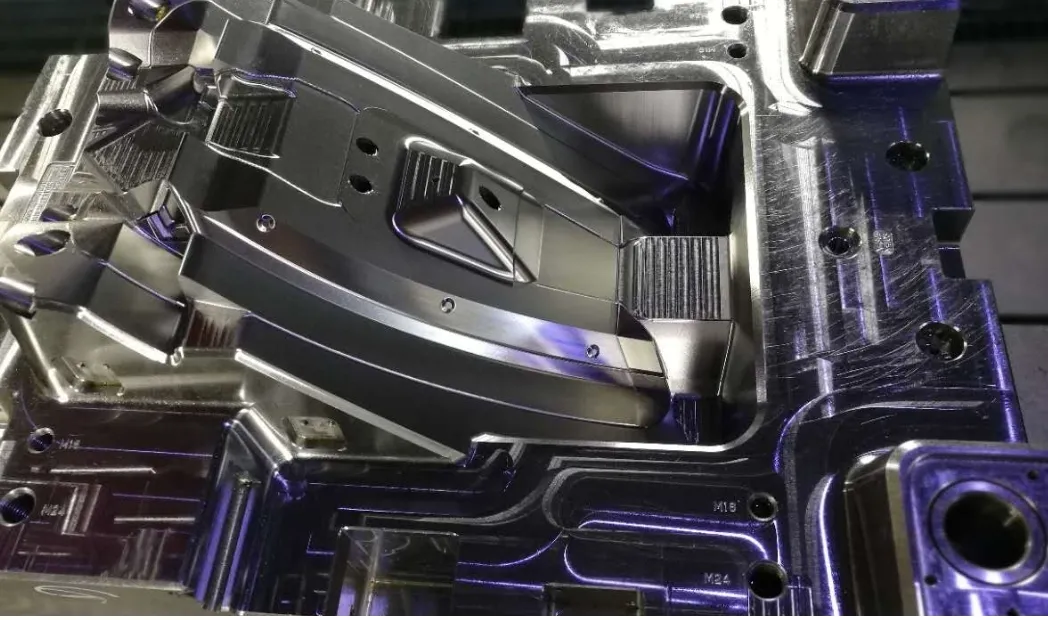
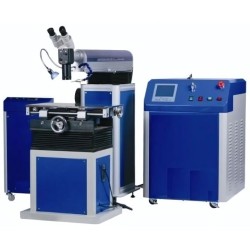
High-precision welding services for rework and repair of molds, die repair, and other tool repair for manufacturing are provided by mould laser welding machines. These machines employ focused laser technology to create safe and clean welds that do not deform or damage delicate components.
We offer top-notch mould laser welding machines for accuracy, efficiency, and convenience at ATPL. If you possess injection moulds, die-casting tools, or precision engineering components, our machines offer improved tool life and reduced downtime.
Why Choose Our Mould Laser Welding Machines?
Accurate Welding – Repairs small cracks and imperfections without distorting areas nearby.
Small Heat Distortion – Laser welding does not warp, offering precise dimensional accuracy.
Multi-Purpose – Suits for steel, carbide, aluminum, and other tool metals.
Easy to Use – Simple controls and little or no training.
Long Life and Durable – Less maintenance with industrial application in focus.
Types of Mould Laser Welding Machines
1. Normal Type Mould Laser Welding Machine
Ideal for small and medium size repair work, all-purpose and accurate machine for shop applications.
2. Crane Type Mould Laser Welding Machine
With the capability to repair heavy-duty repairs and large molds, the equipment comes equipped with an adjustable crane for easy alignment.
How Mould Laser Welding Operates
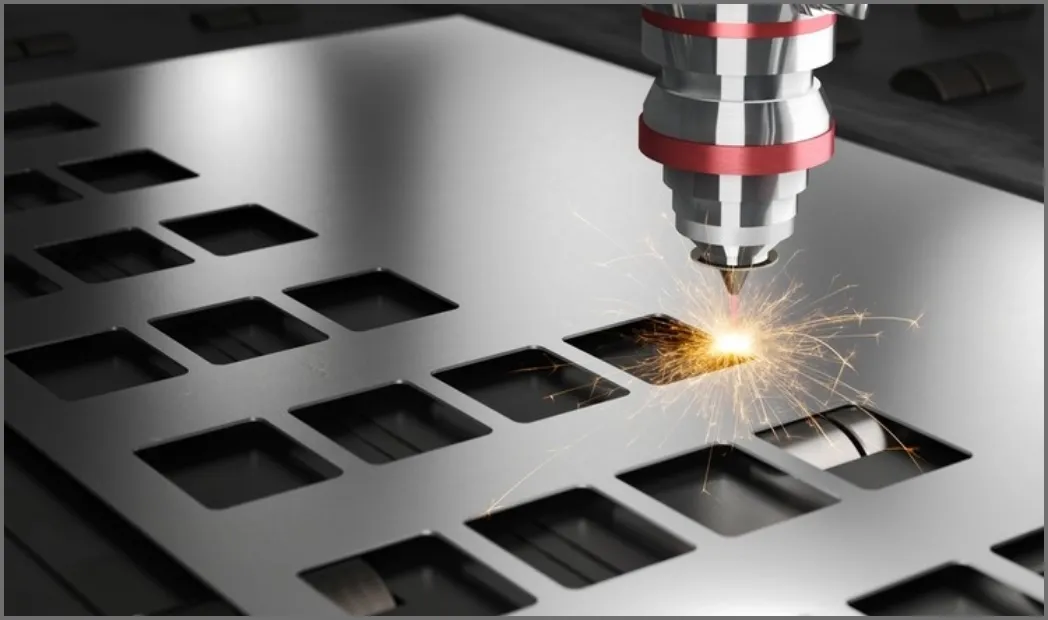
It uses a focused laser beam to melt and weld the metal at focus points. It does not diffuse heat like conventional welding, hence no surface damage caused by heat sensitivity.
General Applications
? Injection Molds – Fixing worn-out, cracks, and surface finish defects.
? Die-Casting Tools – Edge and erosion repair.
? Stamping Dies – Sharpening tiny details and edges.
? Aerospace & Automotive Tooling – Cost-effective precision repair of expensive parts.
Frequently Asked Questions (FAQs)
1. What is mould laser welding applied to?
Ans. It is mainly applied in mould repair, dies, and precision tools without disassembly.
2. Will it weld micro-fractures without damaging the mould?
Ans. Yes, the high-intensity laser beam focuses on the fractured section alone, neighboring intact areas unaffected.
3. What metals can be welded?
Ans. It can weld tool steel, stainless steel, carbide, and other hard metals, and aluminum.
4. Does it need to be pre-heated before welding?
Ans. No, laser welding does not involve pre-heating, which is time and energy saving.
5. How accurate is the welding point?
Ans. The laser is capable of pointing at regions as small as 0.2mm, perfect for delicate repairs.
6. Does it warp or discolor?
Ans. Low thermal input reduces warping and discoloration, as compared to conventional welding.
7. Does it weld deep cracks?
Ans. Yes, with multiple passes, it can cover deeper defects well enough.
8. What is normal and crane type machine difference?
Ans. Normal type – Light, used on small molds.
Crane type – Telescoping boom for heavy, large molds.
9. Does it require special training for operation?
Ans. Simple training only—the machine is simple to operate.
10. How long does the repair take?
Ans. Most repairs take only minutes, minimizing production off-line time.
11. Does it weld hardened steel?
Ans. Yes, it welds heat-treated and pre-hard steels without annealing.
12. Does it use shielding gas?
Ans. Yes, a small amount of argon or nitrogen gas protects the weld from oxidation.
13. How much maintenance is needed?
Ans. Just ordinary lens cleaning and regular readjustment—no high-tech servicing.
14. Does it fill material to worn edges?
Ans. Yes, with filler wire, it reinstates damaged areas perfectly.
15. Does it have applications in plastic injection molds?
Ans. Yes! It's perfect for filling surface flaws and gate marks.
16. How does it compare with TIG welding of molds?
Ans. It's more precise, with less heat warping than TIG.
17. Does it weld dissimilar metals?
Ans. It can also be used to weld different metals in case their melting points are close.
18. What industries utilise mould laser welding?
Ans. Plastic moulding, die-casting, automobile, aviation, and any organization that uses precision tools.
19. Can it be applied to rough surfaces?
Ans. Yes, it is possible to utilise it for marrying dominant texture to do flawless repairs.
20. What kind of support does it provide after sale?
Ans. We provide installation guide, training, and technical support for handy use.
Final Thoughts
Mould laser welding machines are only one part of tool maintenance that can pay dividends for companies and add length to mould life. Specifically, rapidly, with minimal distortion, they are the intelligent solution to whatever workshop is working with costly tooling.
Require a proven and reliable mould welding solution? Find out more about our range today!