Lathe Machines – Uses, Types, and Benefits
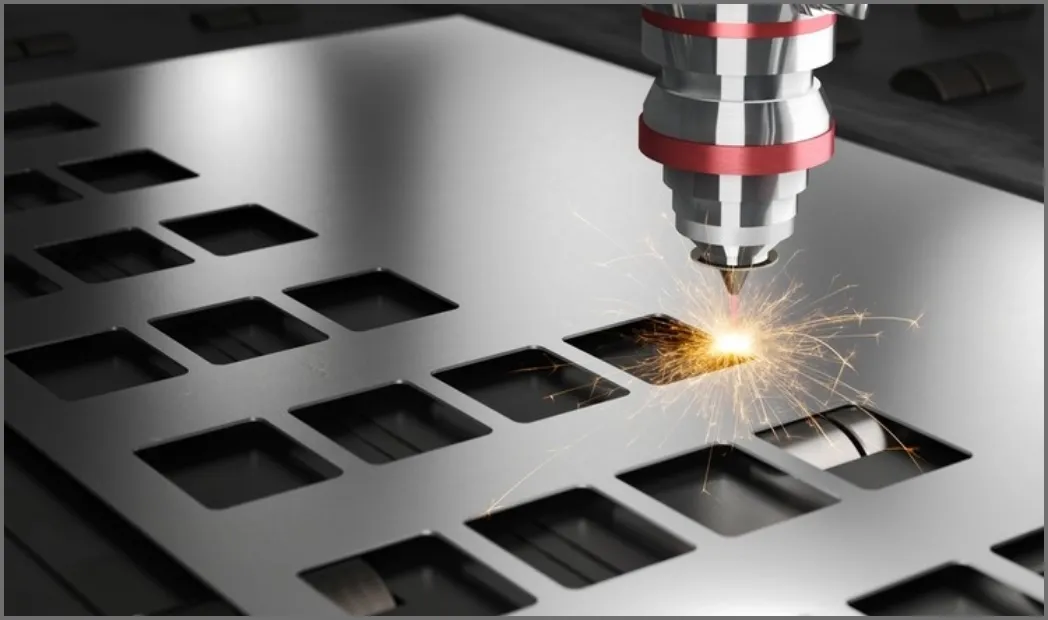
Lathe machines are basic metal and manufacturing industry tools, utilized in turning, drilling, cutting, and shaping metal, wood, and plastic into accurate parts. Lathe machines are very crucial in heavy industries and workshops for the manufacture of cylindrical parts with extremely high precision.
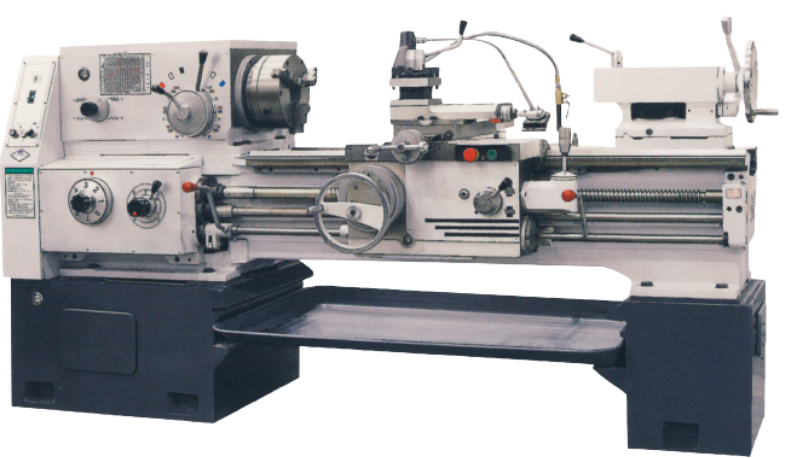
We at ATPL are masters of Hi-Cut Precision Lathe Machines - world-famous for precision, sturdiness, and durability. Our machines vary from general lathes to CNC lathes to meet the requirements of various industries with precision engineering to the extreme.
We have high-quality Hi-Cut Precision Lathe Machines that provide:
Micro-Precision Turning for precision and tolerance components
Rigid Structure having hardened guide ways for vibration-free machining
Reliable Advanced Gear Mechanism for hassle-free power transfer
Simple to Operate Controls for both CNC and manual variants
Energy Efficient with minimal maintenance needs
What is a Lathe Machine?
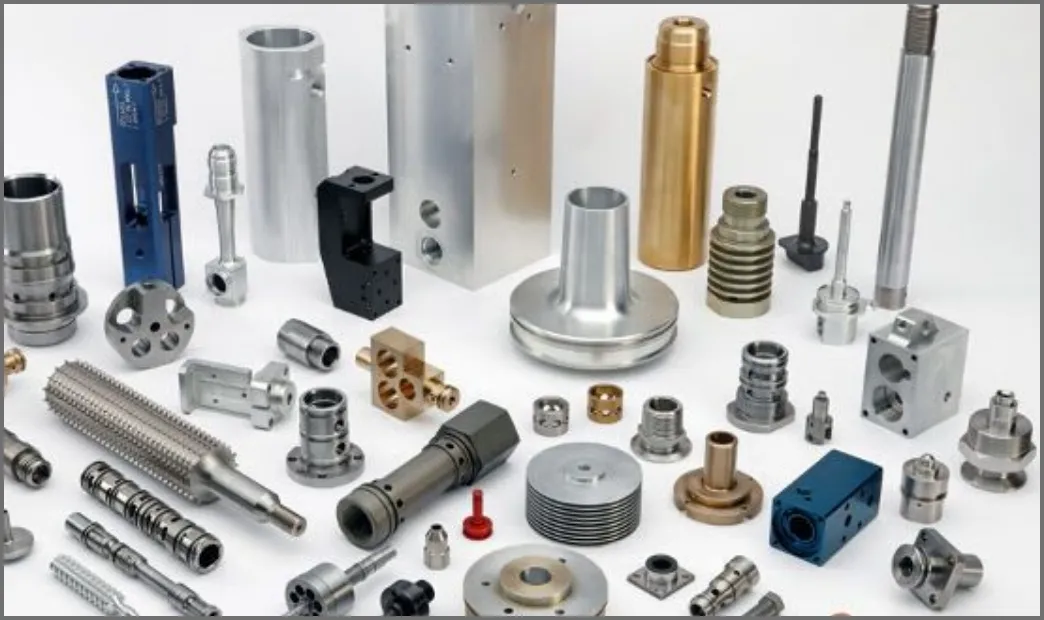
Lathe machine rotates and holds a workpiece, and a fixed cutting tool shapes it. It is used to perform different operations such as turning, facing, threading, grooving, and drilling. Lathes find large-scale applications in the automobile, aircraft, and general engineering sectors for producing symmetrical components like shafts, bolts, and bushings.
Types of Lathe Machines
1. Center Lathe / Engine Lathe Most commonly used type, used for general-purpose turning operations for small- to medium-sized firms. Manually operated, it may be used for a wide range of turning operations.
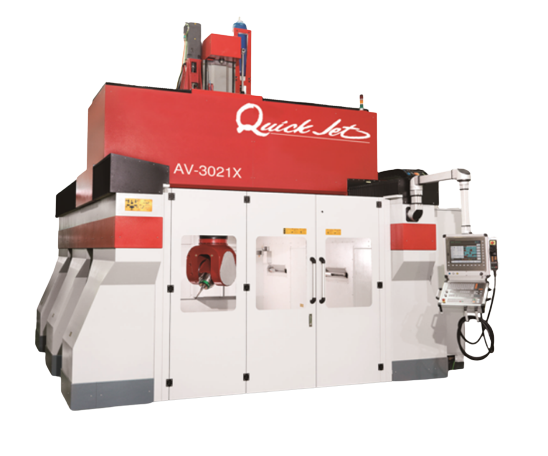
2. CNC Lathe Computer-controlled for accuracy and consistency, CNC lathes are used for mass production of intricate and detailed components.
3. Speed Lathe Light lathe used for turning and polishing wood. It is run at high speeds but not mounted with threading facilities.
4. Turret Lathe Has a revolving turret holding several tools, hence effective for mass production with little handling.
5. Capstan Lathe Like a turret lathe but for lighter and quicker cutting, used in small part manufacturing. 6. Tool Room Lathe Special-purpose lathe used to make tools, dies, and other precision parts with small tolerances.
Common Uses of Lathe Machines
Turning: Reforms cylindrical workpieces through the removal of unwanted material.
Facing: Producing flat surfaces on the ends of a workpiece.
Drilling: Drilling holes with drill bits in the tailstock.
Threading: Producing threads for screws on bolt, nuts, and fittings.
Knurling: Producing rough textures for improved grip on handles and tools.
Tapering: Slowly reducing the diameter of the workpiece to produce conical shapes.
Advantages of Using a Lathe Machine
High Precision: Provides accurate and consistent output for quality parts.
Versatility: Can undertake a number of operations such as cutting, drilling, and threading.
Efficiency: Increases the production with less manual labor.
Customization: Facilitates the production of complex and custom-designed parts.
Durability: Made to operate in heavy-duty activities for long runs.
FAQs on Lathe Machines
1. What is a lathe machine used for?
Ans. A lathe machine is used to mold the material (wood, plastic, metal) by rotating the workpiece against the cutting tool. Typical operations include turning, drilling, facing, and threading.
2. What are various types of lathe machines?
The prominent types are center lathes, CNC lathes, speed lathes, turret lathes, capstan lathes, and tool room lathes, each used for particular tasks.
3. How is a lathe different from a milling machine?
Ans. A lathe turns the workpiece and has a stationary tool cutting it, while a milling machine holds a rotating cutter moving over a fixed workpiece to cut material.
4. Can a lathe machine be utilized for drilling?
Ans. Yes, lathes can certainly drill by setting up a drill bit on the tailstock and bringing it down into the rotating workpiece.
5. What is lathe machine maintenance?
Ans. Regular maintenance, cleaning, and belt inspection, gear inspection, and bearing inspection are necessary. Proper alignment and replacement of worn parts in good time allow for easy running.
6. How do I select a proper lathe machine based on my requirements?
Ans. Think about the size of the workpiece, the nature of the material, the level of precision required, and the volume of production. Hand lathes are best for low-scale operations, while CNC lathes are best for high-precision large-scale operations.
7. What precautionary measures need to be taken while working on a lathe machine?
Ans.
- No loose clothing and safety glasses.
- Workpiece secured well prior to running.
- Hands removed from moving parts.
- Keep the machine in good condition so that it does not break down.
8. What can we machine on a lathe machine?
Ans. Lathes can machine metals (steel, aluminum, brass), wood, plastics, and other materials based on tooling and machine capability.
9. In what ways is a CNC lathe superior to an ordinary lathe?
Ans. CNC lathes provide greater precision, reproducibility, and automation that may be ideally suited for mass production of intricate parts with minimal human intervention.
10. Is it possible to use a lathe machine to cut threads?
Ans. Yes, lathes can be used to cut internal and external threads using threading tools or tap and die.
Why Choose ATPL for Lathe Machines?
ATPL provides efficient and high-performance lathe machines with diversified industrial applications. Our machines excel in the following ways:
Durable Construction: Constructed of superior material to provide long life.
State-of-the-Art Technology: Fitted with latest technologies for improved efficiency.
Widespread Range: Satisfying diverse requirements, ranging from manual to CNC lathes.
Professional Guidance: Offering choice, operation, and maintenance support.
Whether you require simple lathe for home shops or sophisticated CNC lathe for production, ATPL has a solution. Order from our catalog today!