Milling Machine: The Different Types and Their Working Benefits
If you are from the manufacturing or metal working sector, you probably already know about milling machines. These powerful machines have the task of cutting, shaping, and surface finishing material — which is why they are a necessity in anything from small workshops to heavy industry.
At ATPL, we understand that there must be stable and precise milling solutions. That is why we directly import quality machines, e.g., trusted brands like the Precicut M1TR Milling Machine and Horizontal Milling Machines, from Taiwan — internationally renowned for top-class machine tool engineering.
Let us inform you about what milling machines are, what the types are, and how they can assist your work.
What is a Milling Machine?
A milling machine is a device that removes material from a workpiece by using rotary cutters. Unlike turning lathes, which turn the material against a fixed cutting tool, milling machines bring the cutting tool into the material, enabling much more intricate shapes and surfaces.
Whether precision components or heavy-duty industrial products are being made, a milling machine is your first choice for precise and repeatable results.
Types of Milling Machines
There are a number of different forms of milling machines, with special-purpose uses for each:
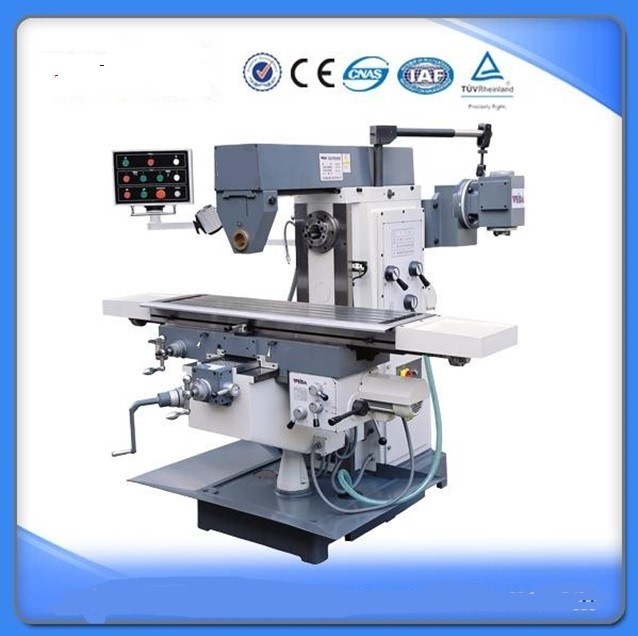
Vertical Milling Machine (e.g., the Precicut M1TR)
The spindle is mounted vertically, and the cutting tool travels up and down. Good for fine precision operations. Machines like the M1TR are most commonly utilized for ease of use and versatility.
Horizontal Milling Machine
In this type, the spindle is horizontal. It's ideal for heavier cutting operations, slab milling, and milling grooves. It is stiff and most appropriate for large-scale and high-volume applications.
CNC Milling Machine
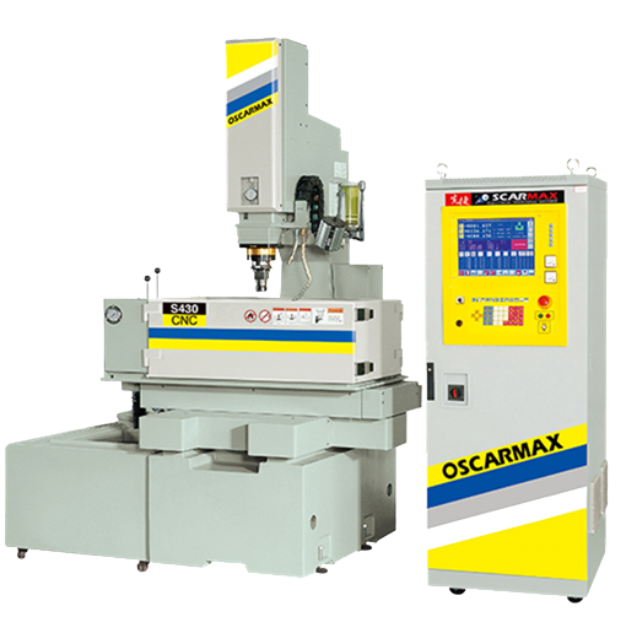
Computer Numerical Control (CNC) milling machines offer automation and incredible precision. Through computer programming, you can machine complex shapes with minimal human intervention — perfect for today's manufacturing needs.
Universal & Turret Milling Machines
These are combination setups with versatility of vertical and horizontal modes. They're great when you need a little of everything in one machine.
Benefits of Using Milling Machines
-
Versatility: Support from simple slots to complex 3D geometries.
-
Accuracy: Obtain exact sizes and finishes.
-
Productivity: With automatic feed and digital readouts, you're enjoying quicker turnaround.
-
Durability: Especially from Taiwan-imported units from ATPL, built to withstand industrial use.
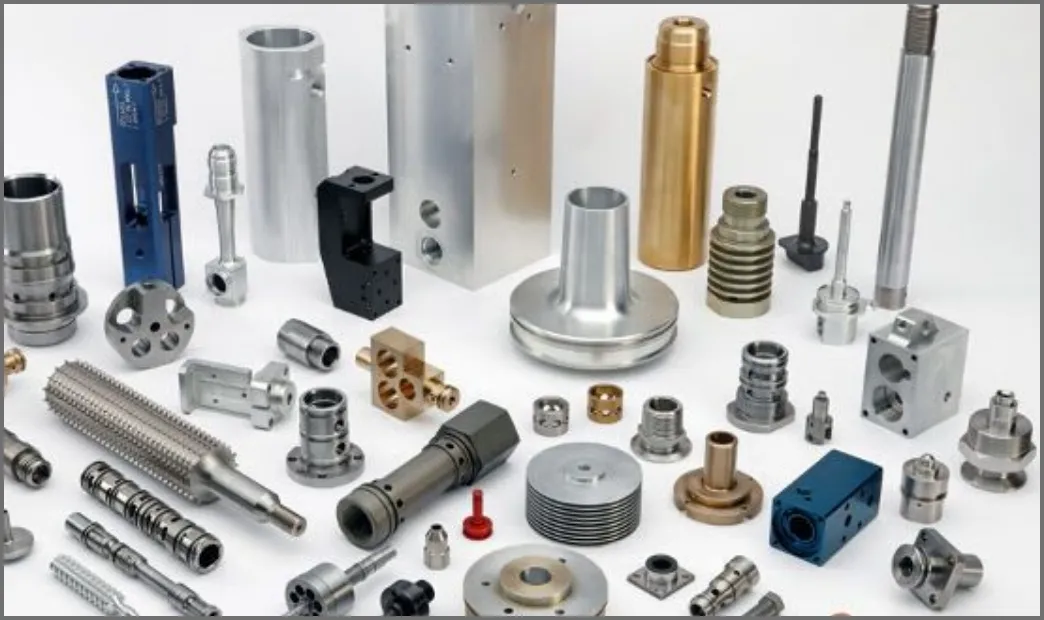
Whether you're producing auto parts, molds, or specialty tools, milling machines offer reproducible performance every time.
Frequently Asked Questions
1. What is a milling machine?
Ans. It's a cutter that shreds, shapes, or drills material with a rotating cutter — perfect for metal, plastic, wood, and more.
2. What are the different types of milling machines?
Ans. They have vertical, horizontal, CNC, turret, and universal milling machines. Each has its own benefit based on what you need to achieve.
3. How do horizontal and vertical milling machines differ from each other?
Ans. Vertical ones (like the M1TR) have a top cutting spindle, while horizontal ones cut side-wise. Horizontal ones are typically applied in heavy-duty operations.
4. What is CNC milling?
Ans. CNC milling is an electrical version of traditional milling, where the machine is programmed by a computer to achieve very precise and repeatable results.
5. What can be milled using a milling machine?
Ans. The most common materials are mild steel, aluminum, brass, plastics, and even hard metals like stainless steel and titanium.
6. What is a milling cutter?
Ans. It's the revolving cutting tool used on the milling machine. It's in varying shapes and sizes for different applications — end mills, slab mills, face mills, etc.
7. What is a milling machine vice used for?
Ans. A milling vice holds the workpiece securely in position when being cut, with guarantee of accuracy and safety.
8. How does a milling machine work?
Ans. The rotating cutter removes material from the workpiece to cut it, by hand (in conventional milling) or by automated means (in CNC milling).
9. Are milling machines appropriate for 3D machining?
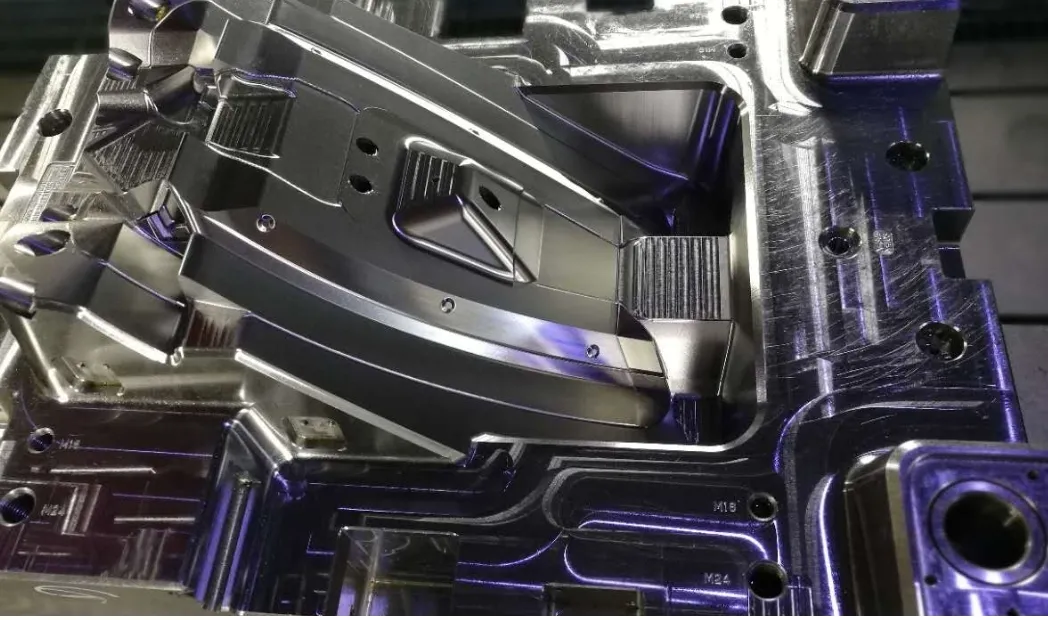
Ans. Yes! And with CNC machines, complex 3D profiles can be machined precisely — being useful in mold making, aerospace, and medical industries.
10. What safety precautions must be observed while milling a machine?
Ans. Wear safety equipment, hold the hands clear from the moving surfaces, hold the workpiece firmly in the clamp, and loose clothing should not be drawn close to the machine.
Why Choose ATPL for Milling Machines?
We at ATPL import top-quality machines from Taiwan, a country renowned for its machinists' excellence in machine tool machinery. We have the Precicut M1TR and robust Horizontal Milling Machines that can be perfectly suited to both medium-scale workshops and large-scale production plants.
From pre-sales guidance to after-sales support, we ensure your milling solution is trouble-free, effective, and long-lasting.