

blob-article

Precision engineering is where Electric Discharge Machining (EDM) is actually one of the most advanced and flexible processes in existence on the market. From aerospace parts to delicate medical equipment, EDM can machine tough metals and cut complex shapes with unwanted precision.
In this guide, we’ll cover what EDM is, how it works, where it’s used, and why it’s essential in modern manufacturing.
What Is EDM Machining?
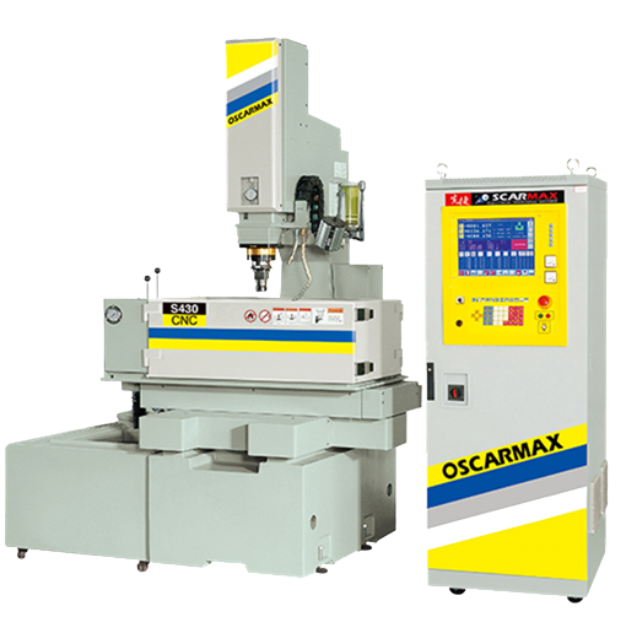
Electrical Discharge Machining, die sinking, or spark machining is one of the non-traditional machining operations where controlled electric discharges are employed to finish the workpiece. As opposed to employing a drill bit for cutting or blade cutting, EDM erodes the workpiece by initiating high-energy discharges between the material and an electrode (cutting tool) in both a dielectric fluid.
EDM is made easy for machining hard, brittle, and difficult materials and creating complex shapes not possible with conventional machining.
Applications of EDM
EDM machining has widespread application for:
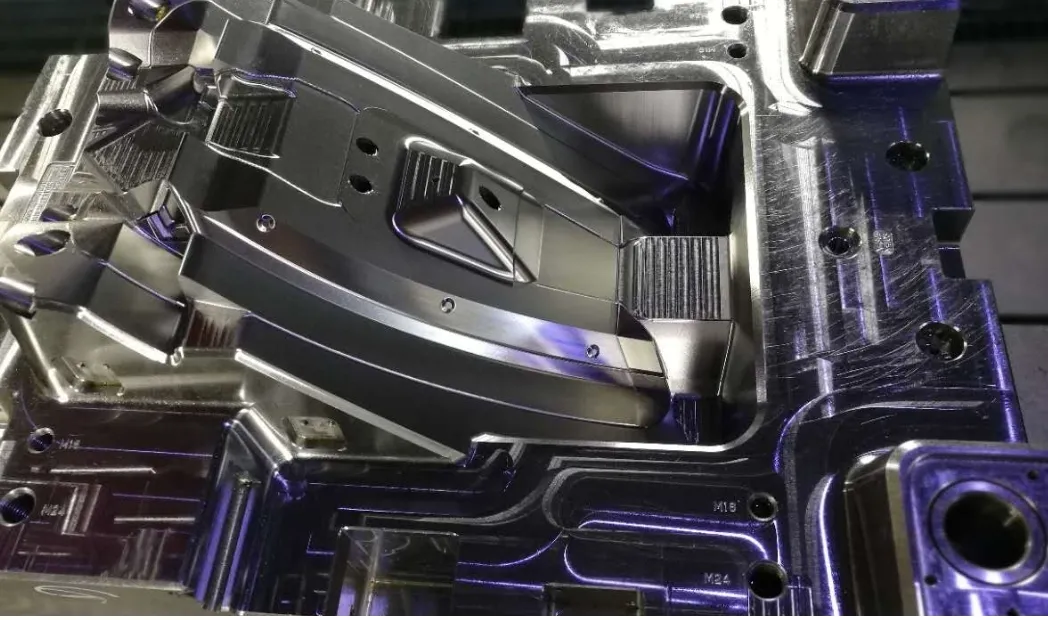
Cutting dies and molds – to make complex cavities for metal injection molding and stamping.
Drilling small holes – in turbine blades of an airplane, fuel injectors, and surgical needles.
Cutting delicate contours – thin slots, small angles, and small details.
Drilling out broken tools – removal of stuck drills or taps from a workpiece in a safe and controlled process.
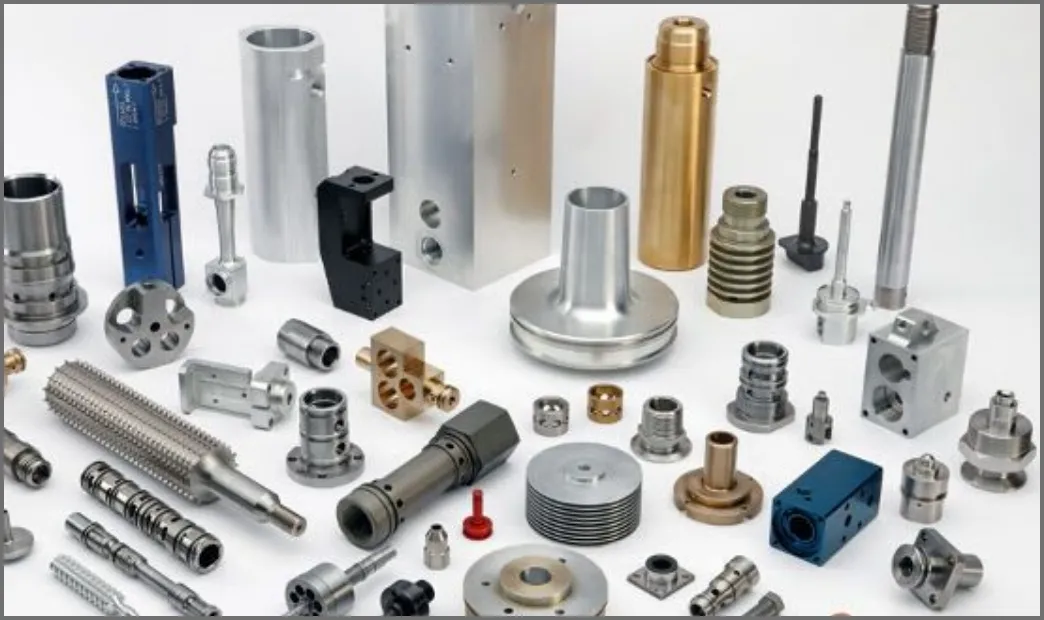
Manufacturing prototype precision parts – for high tolerance required industries.
Where Is EDM Applied?
Applications of EDM overlap to various industries such as:
Aerospace manufacturing – turbine discs, high precision engine components, and cooling holes.
Automotive manufacturing – gear parts, engine molds, and stamping dies.
Medical devices – surgical, orthopedic implant, and dental devices.
Electronics – micro-devices, connectors, and semiconductor tooling.
Is EDM AC or DC?
EDM tools run on direct current (DC). The workpiece is typically positive, and the tool electrode is negative. Stable spark gap and consistent material removal are the side advantages of the DC power.
EDM Working Principle – How It Works
The function of Electrical Discharge Machining is based on the transformation of electric energy to heat energy for the removal of workpiece material:
Setup – Electrode and workpiece are kept near to one another in dielectric fluid.
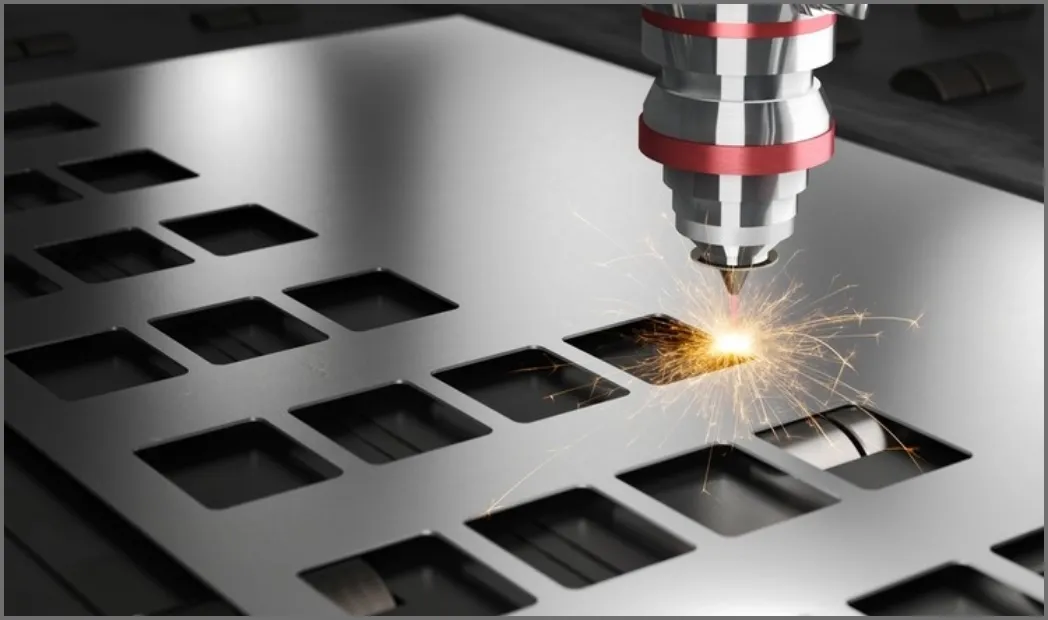
Spark initiation – Dielectric is ionized by high DC voltage, and a spark is discharged.
Material erosion – Spark temperature (approximately 12,000°C) vaporizes and melts an infinitesimal quantity of work.
Flushing – Chips are washed away by dielectric fluid, and the machining surface is cooled.
Repetition – Repeated thousands of times per second in order to obtain the completed shape.
Why Use EDM for Precision Manufacturing?
EDM machining can't be beaten to develop:
Hard geometries in hard metals such as titanium, carbide, and hardened steel.
Narrow tolerances for high-performance parts.
Geometries precision-finished without exposing the material to mechanical tension.
For precision, repeatability, and quality deployment, EDM is most commonly the ideal solution.
Last Thoughts
From auto parts molds to micromachined drill bits in aircraft metal to the creation of surgical instruments, it holds out possibilities that conventional cutting tools could only dream of. To be capable of Electric Discharge Machining to allow manufacturers to operate through the medium of controlled sparks rather than contact is what gives EDM the ability to make the potential for breaking the limits of what is possible.